
Blog
Erika Kirk Music Video: The Story Behind “She’s My Kind of Crazy”

Published
1 day agoon

Table of Contents
ToggleThe phrase “Erika Kirk music video” has attracted considerable online interest because it connects a recognizable contemporary public figure with an earlier entertainment appearance that many people were unfamiliar with. The music video most commonly associated with this search is Emerson Drive’s “She’s My Kind of Crazy,” released in 2012, in which Erika Kirk, then known as Erika Frantzve, appeared as the female lead. IMDb lists her appearance in the music video, while reporting published after the clip resurfaced confirms that the footage dates back to 2012 rather than representing a newly produced music video.
The renewed interest in the Erika Kirk music video is largely a result of how dramatically public attention around Erika Kirk changed over the years. When the Emerson Drive video was produced, she was known in the pageant world as Erika Frantzve and had been crowned Miss Arizona USA 2012. More than a decade later, the old footage began circulating again online, leading many viewers to search for the video’s title, its history, Erika’s role in it, and the circumstances surrounding its renewed popularity. That makes the video an interesting piece of archival pop-culture material, but it is important to separate documented information about the production from speculation that appeared on social media.
What Is the Erika Kirk Music Video?
When people search for “Erika Kirk music video,” they are generally referring to the 2012 music video for “She’s My Kind of Crazy” by Emerson Drive. The song was released by the Canadian country music group Emerson Drive in 2012, and the accompanying video featured Erika Frantzve, now widely known as Erika Kirk, as the female lead. IMDb specifically credits Erika Kirk in Emerson Drive: She’s My Kind of Crazy, identifying her character simply as “Woman.”
The distinction between Erika Kirk’s name today and the name associated with the original production is important when researching the video. The footage was made years before Erika became a nationally recognized public figure, so older databases and descriptions may identify her as Erika Frantzve rather than Erika Kirk. This is one reason searches for the video can produce seemingly different names even though they refer to the same person. The connection is supported by entertainment databases and reporting that identify the 2012 music-video appearance.
The Song “She’s My Kind of Crazy”
“She’s My Kind of Crazy” is an Emerson Drive country song from 2012. The track was released as a single and became associated with the group’s album Roll. The song’s music video uses a lighthearted romantic-adventure concept, placing the female character played by Erika in a playful storyline alongside the male character. The video’s setting and country-music presentation are very different from the political and public-facing context in which Erika Kirk is known today.
That contrast is one of the reasons the Erika Kirk music video became such an interesting search topic. People discovering the footage for the first time were seeing a much earlier chapter of her public life. Rather than being a recent music release by Erika Kirk herself, the video is an acting appearance in a music production by another artist. This distinction is essential for anyone writing accurately about the subject: Erika Kirk appeared in the video, but the song belongs to Emerson Drive.
Erika Kirk’s Role in the Video
In the 2012 production, Erika appears as the central female character in the video’s romantic storyline. Reports describing the clip say that the story follows a playful trip involving the characters and includes scenes filmed around Las Vegas. One account describes the video as featuring a spontaneous adventure, including a zip-line sequence and a wedding-chapel setting.
The video is therefore best understood as an acting and modeling appearance connected to a country song, rather than evidence that Erika Kirk was a professional recording artist. Searches using phrases such as “Erika Kirk singer,” “Erika Kirk song,” or “Erika Kirk music career” can therefore be misleading unless the distinction is made clear. The documented connection is her appearance in Emerson Drive’s music video.
Why Did the Erika Kirk Music Video Become Popular Again?
The answer lies largely in the difference between the video’s original release and the circumstances under which it later resurfaced. In 2012, Erika was a young woman associated with the pageant world and was appearing in an entertainment production. Years later, following the assassination of her husband Charlie Kirk in September 2025, interest in Erika’s earlier public appearances increased substantially. News coverage in late September 2025 specifically reported that the old Emerson Drive video had resurfaced online.
As the clip circulated again, social-media users began discussing details visible within it and drawing connections between elements of the old video and later events. Some of those discussions developed into speculation and conspiracy theories. Those claims should not be presented as established facts. The reliable and verifiable point is simply that the 2012 music video resurfaced and became the subject of renewed online attention. The video’s age is particularly important because it was created many years before the events that prompted its renewed circulation.
The “9:10” Discussion
One of the most frequently discussed details surrounding the resurfaced Erika Kirk music video is a visible “9:10” reference during a sequence involving a zip line. Some people online interpreted the number as significant because of the date of Charlie Kirk’s death, September 10, 2025. This interpretation became part of the online conversation surrounding the clip.
However, the existence of a number in an old music video does not establish that the production predicted a future event. The video was released in 2012, more than a decade before the September 2025 event. Coverage of the resurfacing has described the alleged connection as speculation rather than evidence of a planned prediction. For an SEO article intended to provide trustworthy information, this distinction should remain clear throughout the discussion.
Erika Kirk Before Her Later Public Profile
Understanding the Erika Kirk music video 2012 search also requires some historical context. At the time of the production, Erika was known as Erika Frantzve and was involved in the pageant world. IMDb identifies her as the performer in the Emerson Drive music video and also lists other screen work in her career.
The music-video appearance therefore represents one part of her earlier public life. For readers discovering the footage today, it provides a snapshot of an earlier period before she became associated with the public and political responsibilities that later made her widely recognizable. This is why the video has attracted interest beyond traditional country-music audiences: viewers are not necessarily searching for Emerson Drive alone, but for information about a person they recognize from a very different context.
Is Erika Kirk a Singer?
A common misunderstanding created by the search phrase “Erika Kirk music video” is the assumption that Erika Kirk was the singer featured on the track. She was not the recording artist for “She’s My Kind of Crazy.” The song was recorded and released by Emerson Drive, while Erika appeared in its music video. IMDb’s listing categorizes the production as a music video and credits Erika as an actress.
This distinction makes the subject easier to understand. Someone searching for Erika Kirk’s music may actually be looking for the video appearance rather than a discography. Likewise, someone searching for “Erika Kirk song” may have encountered the old clip online and assumed she performed the song. The available documentation instead points to an acting appearance in an Emerson Drive production.
Why the Video Continues to Attract Search Interest
Old entertainment footage can become newly relevant when a person featured in it later becomes much more recognizable. That is exactly what happened with this video. A production that was relatively obscure to many viewers in 2012 became searchable again after Erika Kirk’s public profile changed dramatically. News reports and entertainment coverage then helped amplify the discovery, bringing the video’s title and Erika’s earlier appearance into wider online discussion.
The story also demonstrates how social media can transform archival material into a trending topic. A video can remain online for years with limited attention and then suddenly attract millions of searches because audiences have a new reason to investigate the person appearing in it. In the case of the Erika Kirk music video, the combination of an old country-music production, a recognizable public figure, and renewed online curiosity created a significant second life for the footage.
How to Search for the Correct Video
Readers searching for the video should use the song title as well as Erika Kirk’s name. Searches such as “Erika Kirk music video,” “Erika Kirk 2012 music video,” “Erika Frantzve Emerson Drive,” and “Emerson Drive She’s My Kind of Crazy” are more specific than simply searching for “Erika Kirk song.” The latter can produce unrelated songs, fan-made recordings, tribute tracks, or AI-generated material that should not be confused with the original 2012 production.
This is particularly important because the modern internet contains many pieces of synthetic or misleading media involving public figures. Search results can mix authentic archival footage with commentary, edited clips, parody videos, and AI-generated material. A reader interested in the historical music video should therefore verify that the footage is actually associated with Emerson Drive’s “She’s My Kind of Crazy” rather than assuming every video using Erika Kirk’s name is authentic.
The Importance of Separating Fact From Online Speculation
The renewed attention surrounding the video also illustrates a broader lesson about internet research. When an old video suddenly becomes viral, viewers often interpret individual details through the lens of current events. That can lead to intriguing theories, but theories are not the same thing as documented facts. A responsible article should clearly distinguish between what can be verified about the production and what individual social-media users have claimed about it.
For the Erika Kirk music video, the basic facts are straightforward: the video is associated with Emerson Drive’s “She’s My Kind of Crazy,” it was released in 2012, and Erika Kirk—then Erika Frantzve—appeared in it. IMDb documents the performance, while later reporting confirms the clip’s resurfacing and renewed public interest. Beyond those facts, readers should approach dramatic interpretations and alleged hidden meanings with appropriate skepticism.
Frequently Asked Questions
What is the Erika Kirk music video?
The term generally refers to Emerson Drive’s 2012 music video for “She’s My Kind of Crazy,” which features Erika Kirk, then known as Erika Frantzve, as the female lead.
What song is Erika Kirk in?
Erika Kirk appears in the music video for “She’s My Kind of Crazy” by Emerson Drive, a Canadian country music group. The song was released in 2012.
Was Erika Kirk the singer?
No. Erika Kirk appeared in the music video as an actress. The song was recorded by Emerson Drive, so the video should not be described as an Erika Kirk music release.
When was the Erika Kirk music video filmed or released?
The documented music-video appearance dates to 2012. IMDb lists Emerson Drive: She’s My Kind of Crazy as a 2012 music video featuring Erika Kirk.
Why is the Erika Kirk music video trending?
The old video resurfaced online after Erika Kirk became the focus of substantially greater public attention in 2025. News coverage in September 2025 reported on the renewed circulation of the 2012 clip.
Is “She’s My Kind of Crazy” an Erika Kirk song?
No. “She’s My Kind of Crazy” is an Emerson Drive song. Erika Kirk appears in the accompanying music video but is not the recording artist.
Why do people mention 9:10 when discussing the video?
A “9:10” reference visible during part of the video became a subject of online speculation after the clip resurfaced. Some users connected it to September 10, 2025, but that interpretation does not establish that the video predicted a later event.
Conclusion
The Erika Kirk music video is an intriguing example of how an old piece of entertainment can suddenly become relevant again when a person featured in it gains a much larger public profile. The video most commonly associated with the search is Emerson Drive’s “She’s My Kind of Crazy,” released in 2012, where Erika Kirk, then known as Erika Frantzve, appeared as the female lead. IMDb documents her role, while later news coverage confirms that the decades-old footage resurfaced and generated renewed online interest.
For anyone researching the subject, the most important point is to distinguish the documented music-video appearance from later online speculation. Erika Kirk was not the singer of the Emerson Drive song; she appeared in its video. The renewed interest comes from the contrast between her early entertainment appearance and her much more prominent public role years later. By focusing on the song, the 2012 production, Erika’s credited role, and the circumstances of its resurgence, readers can understand why the Erika Kirk music video has become such a frequently searched topic without confusing verified history with internet theories.
You may like
Blog
Honda Civic Si Coupe: Complete Guide to Performance, Specs, Features and Buying Tips
Published
4 days agoon
September 12, 2026
Table of Contents
ToggleThe Honda Civic Si Coupe holds a special place among affordable performance cars because it combines the practicality and everyday usability associated with the Civic name with the involvement of a traditional manual transmission and front-wheel-drive performance hardware. For drivers who enjoy shifting their own gears, taking corners with confidence and owning a car that feels more special than an ordinary commuter, the Civic Si Coupe has long been an appealing choice. The final version, the 2020 Honda Civic Si Coupe, offered a 1.5-liter turbocharged four-cylinder engine producing 205 horsepower and 192 lb-ft of torque, along with a six-speed manual transmission and a helical limited-slip differential.
The Civic Si Coupe is particularly interesting today because it is no longer produced. Honda discontinued the Civic Coupe body style for the 2021 model year, making the 2020 Civic Si Coupe the final example of this particular configuration. That makes the car increasingly relevant to enthusiasts searching the used-car market for a relatively modern performance coupe with a manual gearbox. Whether you are researching the Honda Civic Si Coupe for its specifications, considering buying a used example, comparing it with other affordable sports cars, or simply wondering why the model remains popular, understanding its engine, transmission, handling, interior, technology, fuel economy and ownership characteristics is essential.
Honda Civic Si Coupe Overview
The Honda Civic Si Coupe was designed to sit between the regular Civic lineup and the more extreme Civic Type R in Honda’s performance hierarchy. Instead of focusing exclusively on maximum horsepower, the Si philosophy has traditionally emphasized balance, responsiveness and driver involvement. The result is a car that can be used for commuting during the week while still providing an engaging experience on a winding road or during a weekend drive. The coupe body style also gave the Civic Si a distinctive character compared with the more practical sedan-based alternatives.
For the 2020 model year, Honda equipped the Civic Si Coupe with a 1.5-liter turbocharged and intercooled DOHC four-cylinder engine featuring direct injection and variable valve timing. Honda rated the engine at 205 horsepower at 5,700 rpm and 192 lb-ft of torque, with the torque delivered across a broad portion of the engine’s operating range. The power was sent through a six-speed manual transmission to the front wheels. A helical limited-slip differential was standard, helping distribute available torque more effectively between the front wheels during spirited driving.
One of the defining characteristics of the Civic Si Coupe is that it does not attempt to overwhelm the driver with excessive power. Instead, the combination of turbocharged torque, a relatively lightweight compact-car platform, a close-ratio manual transmission and a limited-slip differential gives the car a lively personality. This makes the Si particularly attractive to enthusiasts who value the experience of driving rather than simply looking at a horsepower number.
Honda Civic Si Coupe 2020: The Final Coupe
The 2020 Honda Civic Si Coupe is especially significant because it represents the final model year of the Civic Coupe before Honda discontinued the two-door body style for 2021. Honda’s own materials confirm that the Civic Coupe was discontinued for the 2021 model year. For people searching for a modern Honda Civic Si Coupe today, this distinction matters because there is no newer factory-produced Civic Si Coupe to replace it.
The 2020 model received styling and equipment updates that helped keep the Si competitive near the end of the tenth-generation Civic’s production cycle. Honda’s 2020 materials highlighted the turbocharged engine, six-speed manual transmission, helical limited-slip differential, sport-tuned suspension, adaptive dampers, 18-inch alloy wheels and Si-specific interior touches.
The final-year status gives the 2020 Civic Si Coupe an additional appeal for enthusiasts. It combines the traditional two-door Civic silhouette with relatively modern safety and convenience technology, while retaining the mechanical involvement that made the Si nameplate popular. For someone looking specifically for a used Honda Civic Si Coupe, the 2020 model is therefore one of the most important versions to research.
Honda Civic Si Coupe Engine and Horsepower
Performance begins with the Civic Si Coupe’s turbocharged 1.5-liter four-cylinder engine. With 205 horsepower and 192 lb-ft of torque, the engine provides enough output to make the lightweight coupe feel genuinely sporty without sacrificing the everyday usability expected from a Civic. Honda’s specifications list the peak 205 horsepower at 5,700 rpm, while maximum torque is available from the lower portion of the rev range, helping the car feel responsive during normal street driving.
The engine’s turbocharged design is important because it allows the relatively small displacement four-cylinder to produce useful torque without requiring a very high-revving naturally aspirated setup. That makes the Civic Si easier to drive in traffic and more flexible when accelerating onto highways. At the same time, the manual transmission gives the driver control over how the engine’s power is used, allowing enthusiasts to select gears according to road conditions and driving style.
Although 205 horsepower may not sound extraordinary by modern performance-car standards, the Civic Si’s appeal is about the entire package rather than one specification. The limited-slip differential, sport-tuned suspension, adaptive dampers and manual gearbox all contribute to the driving experience. This is one reason the Civic Si has remained popular among people who want a car that is entertaining without necessarily being expensive or difficult to live with.
Six-Speed Manual Transmission and Driving Experience
One of the strongest reasons to consider a Honda Civic Si Coupe is its six-speed manual transmission. Unlike many modern performance-oriented cars that increasingly rely on automatic or dual-clutch transmissions, the Civic Si Coupe delivers a traditional three-pedal experience. Honda paired the manual gearbox with a helical limited-slip differential, creating a combination that is particularly appealing to driving enthusiasts.
The manual transmission also changes the character of the car. Instead of simply pressing the accelerator and allowing an automatic transmission to select gears, the driver becomes directly involved in acceleration, engine braking and cornering preparation. This makes everyday roads more engaging and gives the Civic Si a personality that can be difficult to replicate with an automatic transmission.
For an enthusiast shopping in the used market, the manual transmission is both a major advantage and something that should be inspected carefully. Clutch engagement, transmission operation, gear selection and maintenance history are all worth examining before buying a used example. A well-maintained Si can be an excellent enthusiast car, but a vehicle that has been driven aggressively without proper maintenance deserves additional scrutiny.
Handling, Suspension and Limited-Slip Differential
The Civic Si Coupe was developed to offer more than straight-line acceleration. Honda equipped the 2020 Si with a sport-tuned suspension and adaptive dampers, while the front-wheel-drive chassis benefited from a helical limited-slip differential. These features work together to give the car greater composure during enthusiastic cornering.
A limited-slip differential is particularly useful in a front-wheel-drive performance car because it can help manage the distribution of engine torque between the driven front wheels. When accelerating out of a corner, this can provide more predictable traction than an open differential. Combined with the Si’s suspension tuning and steering system, the result is a car that emphasizes driver confidence and predictable behavior.
The Civic Si Coupe therefore appeals to people who enjoy twisty roads rather than simply straight-line acceleration. Its relatively compact dimensions also make it easy to position on narrow roads and in urban environments. Drivers who value steering response, cornering balance and manual control may find the Si more rewarding than a more powerful car that is heavier or less communicative.
Honda Civic Si Coupe Exterior Design
The coupe body style is one of the features that makes the Civic Si particularly distinctive today. Modern automotive manufacturers have increasingly moved away from compact two-door cars, making the Civic Si Coupe part of a shrinking category. Its sloping roofline, two-door configuration and sporty proportions give it a different appearance from a conventional Civic sedan.
The 2020 Si Coupe included several exterior features designed to distinguish it from standard Civic models. Honda’s equipment information lists 18-inch alloy wheels, a center outlet exhaust and other Si-specific styling elements. These details give the car a sportier appearance without turning it into an extreme-looking track vehicle.
For used-car shoppers, exterior condition is worth examining carefully. Because the Civic Si attracts enthusiasts, some examples may have aftermarket wheels, exhaust systems, suspension modifications, engine tuning or cosmetic changes. Modified cars are not automatically bad purchases, but buyers should understand exactly what has been changed and whether the modifications were professionally installed.
Honda Civic Si Coupe Interior
Inside, the Civic Si Coupe combines everyday Civic practicality with several performance-oriented details. Honda equipped the 2020 model with lightweight Si sport front seats, red stitching, a leather-wrapped steering wheel, an aluminum shift knob with leather and sport pedals. These features help differentiate the Si from ordinary Civic models while maintaining a usable cabin.
The interior is one of the reasons the Civic Si works well as an everyday performance car. It is not simply a stripped-down sports machine designed only for occasional weekend use. The Civic platform provides useful passenger and cargo space, while the Si adds performance-oriented equipment without eliminating the conveniences expected from a modern compact car.
Technology was also part of the package. The 2020 Civic Si included Honda’s safety and driver-assistance systems, while Honda’s broader Civic materials documented features such as Honda Sensing technologies. Depending on the specific vehicle and equipment configuration, buyers should still verify the exact technology installed because used-car specifications can vary by model year and market.
Honda Civic Si Coupe Fuel Economy
Performance does not necessarily mean poor fuel economy, and the Civic Si Coupe demonstrates that point. Honda’s official EPA information lists the 2020 Civic Si Coupe at 26 mpg city, 36 mpg highway and 30 mpg combined with its six-speed manual transmission.
Those figures make the Civic Si interesting for drivers who want a fun car that can still be used for regular commuting. Highway efficiency is especially useful for owners who frequently travel longer distances. Fuel economy will naturally depend on driving style, traffic, road conditions, tire choice and vehicle condition, and enthusiastic driving can reduce real-world mileage considerably.
Honda listed regular unleaded as the required fuel for the EPA ratings while noting premium as recommended in its official information. Buyers should follow the fuel guidance in the owner’s manual for the particular vehicle and market.
Is the Honda Civic Si Coupe Practical?
A sports coupe is unlikely to match a sedan or SUV for maximum practicality, but the Civic Si Coupe offers a useful compromise. The cabin can accommodate five people according to published specifications, and the car retains a functional trunk rather than sacrificing all storage space for performance.
The main compromise is accessibility. Rear passengers have less convenient access than they would in a four-door Civic, and the coupe roofline and door configuration make the car less practical for families who frequently carry passengers. For a single driver or couple, however, the two-door layout may be an acceptable trade-off for the styling and enthusiast appeal.
This practicality-performance balance is a major part of the Civic Si’s identity. It can serve as a commuter, weekend car and enthusiast vehicle without demanding the compromises associated with a dedicated sports car.
Used Honda Civic Si Coupe: What Buyers Should Check
Because the Honda Civic Si Coupe is discontinued, most shoppers today will be looking at used examples. The condition of an individual vehicle can therefore matter more than the model’s original specifications. Buyers should look for a complete maintenance history and carefully inspect the engine, turbocharger system, cooling system, brakes, suspension, clutch and transmission.
It is also important to determine whether the car has been modified. Performance enthusiasts sometimes install aftermarket engine software, intake systems, exhausts, intercoolers, suspension components or wheels. Some modifications can be professionally executed and may work well, while others can create reliability or drivability problems. A completely stock or lightly modified vehicle with strong maintenance documentation may be preferable for buyers who want predictable long-term ownership.
A pre-purchase inspection by an experienced independent mechanic can also be valuable. The mechanic should look beyond obvious cosmetic condition and examine the underside of the vehicle, suspension components, brakes, tires, fluid leaks and signs of accident repairs. A clean history and careful inspection can significantly reduce the risk of buying an example that has been neglected or heavily abused.
Honda Civic Si Coupe Price and Used-Market Value
When new, the 2020 Honda Civic Si Coupe started at $25,000 before destination charges, according to Honda’s published pricing information, with a version equipped with summer tires listed at $25,200. Today, however, the price of a used Civic Si Coupe is determined by factors such as mileage, condition, location, modifications, service history and overall demand rather than its original MSRP.
The fact that the 2020 model was the final Civic Si Coupe makes comparisons between individual used examples especially important. A low-mileage, original, well-maintained car can command a very different price from a high-mileage example with extensive modifications. Buyers should compare multiple listings rather than assuming every Civic Si Coupe has the same value.
The car’s enthusiast appeal can also influence pricing. Manual performance cars have a dedicated market, and the disappearance of the Civic Coupe from Honda’s lineup means buyers specifically seeking a modern Honda two-door with a manual transmission have fewer choices than they once did.
Honda Civic Si Coupe vs. Civic Type R
The Civic Si Coupe and Civic Type R serve different purposes. The Type R is the more aggressive performance machine, while the Si is positioned as a more approachable and everyday-friendly performance Civic. Someone seeking maximum track-oriented performance may prefer the Type R, but a driver who wants an affordable manual car for daily use may find the Si more balanced.
The Si also has an advantage in simplicity and accessibility. It provides a strong enthusiast experience without requiring the buyer to move into a much more specialized performance category. For many drivers, 205 horsepower, a manual transmission and a limited-slip differential are enough to make ordinary roads entertaining.
This distinction is important when evaluating the Civic Si Coupe. It should not be judged solely by whether it can match more powerful performance cars. Its strength is the combination of reasonable power, engaging controls, practical dimensions, efficiency and everyday usability.
Why the Honda Civic Si Coupe Still Matters
The Honda Civic Si Coupe remains interesting because it represents a combination that is becoming increasingly difficult to find: a relatively affordable compact coupe with a turbocharged engine, front-wheel drive, a manual transmission and genuine enthusiast-oriented hardware. The 2020 model brought these qualities together in a package that could still function as a daily driver.
The end of Civic Coupe production also gives the car historical significance within the Civic lineup. Honda confirmed that the Civic Coupe was discontinued for the 2021 model year, meaning the 2020 model was the final chapter for this body style. For enthusiasts who prefer two-door cars, that makes the final Si Coupe particularly noteworthy.
The Civic Si Coupe is therefore more than an older used car. It is an example of a period when compact performance cars could still combine relatively simple mechanical hardware with modern safety, technology and everyday usability. For buyers who value the driving experience, that combination remains compelling.
Pros and Cons of the Honda Civic Si Coupe
Pros
- Turbocharged 1.5-liter four-cylinder engine
- 205 horsepower and 192 lb-ft of torque
- Standard six-speed manual transmission
- Helical limited-slip differential
- Sport-tuned suspension
- Adaptive dampers
- Sporty two-door coupe design
- Good fuel economy for a performance-oriented car
- Useful everyday practicality
- Strong enthusiast appeal
- Final Civic Si Coupe model year
Cons
- No longer produced as a new vehicle
- Two-door layout is less convenient for rear passengers
- Used examples can have extensive modifications
- Manual transmission is not ideal for every driver
- Performance is strong rather than extreme
- Finding a clean, unmodified example may require patience
Final Verdict
The Honda Civic Si Coupe remains one of the most appealing choices for drivers who want an affordable enthusiast car with genuine driver involvement. The final 2020 Honda Civic Si Coupe combined a 205-horsepower turbocharged 1.5-liter engine, six-speed manual transmission, helical limited-slip differential, sport-tuned suspension and adaptive dampers in a compact two-door package. Its 26/36/30 mpg city/highway/combined EPA rating also demonstrates that performance and everyday efficiency do not necessarily have to be opposites.
Perhaps the biggest reason the Civic Si Coupe remains relevant is that it is no longer something buyers can simply order new. Honda discontinued the Civic Coupe for the 2021 model year, making the 2020 Civic Si Coupe the final version of this body style. For enthusiasts searching the used market, that combination of rarity, manual transmission, turbocharged performance and practical Civic engineering makes the Si Coupe worth serious consideration. A carefully inspected, well-maintained example can deliver an engaging driving experience while remaining practical enough for everyday life.
Frequently Asked Questions About the Honda Civic Si Coupe
Is the Honda Civic Si Coupe still being made?
No. Honda discontinued the Civic Coupe body style for the 2021 model year. The 2020 Honda Civic Si Coupe was therefore the final model-year version of the Civic Si Coupe.
How much horsepower does the Honda Civic Si Coupe have?
The 2020 Honda Civic Si Coupe produces 205 horsepower at 5,700 rpm and 192 lb-ft of torque from its 1.5-liter turbocharged four-cylinder engine.
Does the Honda Civic Si Coupe have a manual transmission?
Yes. The 2020 Civic Si Coupe comes with a six-speed manual transmission. A helical limited-slip differential is also included to improve traction during spirited driving.
What engine is in the Civic Si Coupe?
The 2020 Civic Si Coupe uses a 1.5-liter turbocharged and intercooled DOHC four-cylinder engine with direct injection. Honda rates it at 205 horsepower and 192 lb-ft of torque.
What is the Honda Civic Si Coupe MPG?
Honda’s EPA information lists the 2020 Civic Si Coupe at 26 mpg city, 36 mpg highway and 30 mpg combined.
Is the Honda Civic Si Coupe good for daily driving?
Yes. Its compact dimensions, practical cabin, reasonable fuel economy and comfortable equipment make it suitable for everyday driving, while its manual transmission and performance hardware provide additional excitement when desired.
Is a used Honda Civic Si Coupe worth buying?
It can be, particularly for someone who values a manual transmission and sporty handling. The condition and history of the individual used car are extremely important, so buyers should inspect maintenance records, mechanical condition and aftermarket modifications before purchasing.
What is special about the 2020 Honda Civic Si Coupe?
The 2020 model is particularly significant because it was the final Civic Si Coupe. It combined the two-door Civic body with a 205-horsepower turbocharged engine, six-speed manual transmission, limited-slip differential and sport-oriented suspension technology.
Is the Civic Si Coupe better than a regular Civic Coupe?
For enthusiasts, the Si Coupe offers substantially more performance-oriented hardware and a more engaging driving experience. The regular Civic Coupe may make more sense for buyers prioritizing comfort, simplicity or a lower purchase price, while the Si is aimed at drivers who specifically want a performance-focused Civic.
What should I look for when buying a used Civic Si Coupe?
Look for a complete maintenance history, healthy clutch and transmission operation, good tires and brakes, a clean engine bay, proper suspension condition and evidence of responsible ownership. Pay particular attention to aftermarket modifications because some used Si Coupes may have been heavily modified or driven aggressively.
Blog
Total Gym Exercises: The Complete Guide to Full-Body Workouts at Home
Published
1 week agoon
September 8, 2026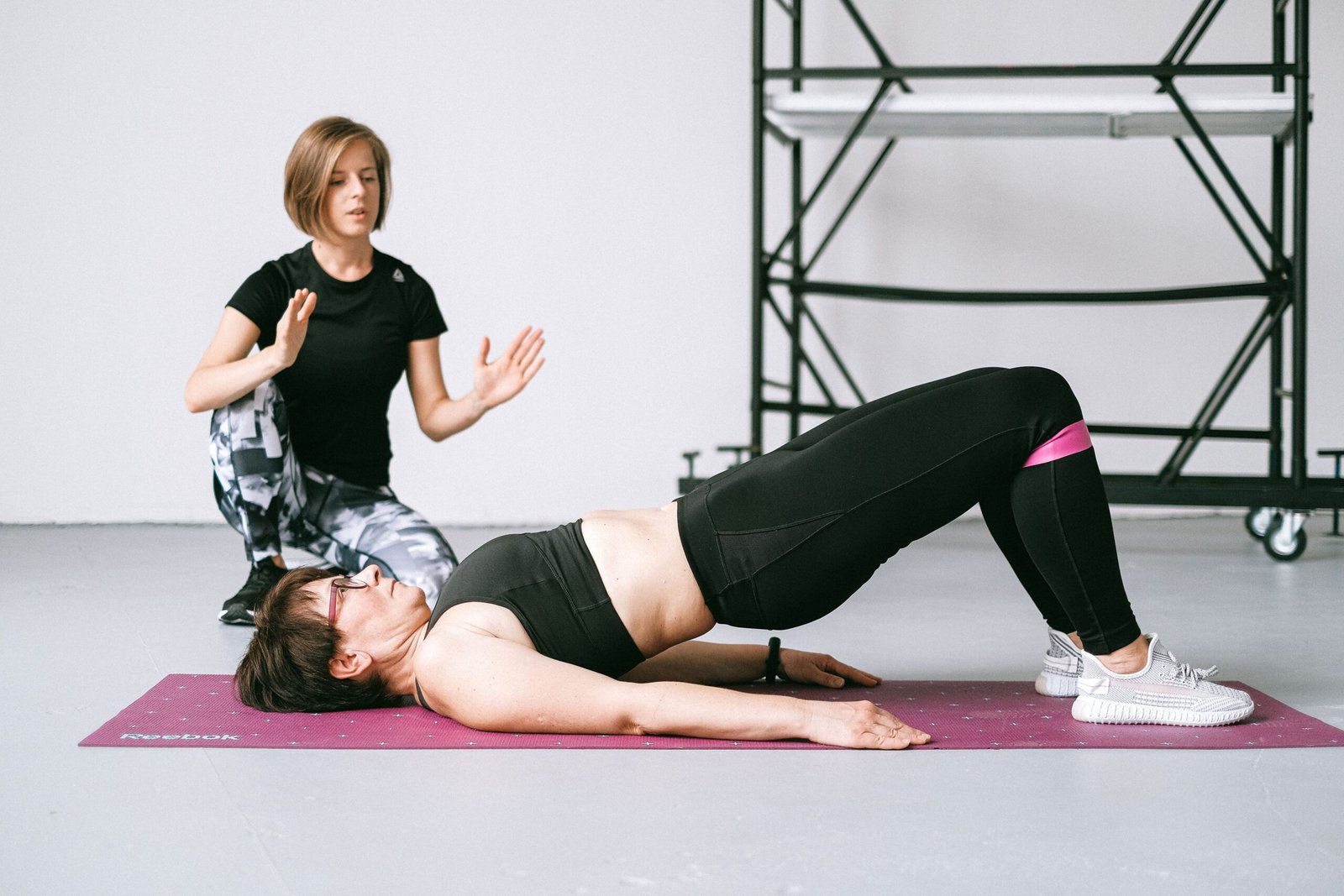
Table of Contents
ToggleTotal Gym exercises can provide an effective way to train many of the body’s major muscle groups using a single piece of equipment. Whether your goal is to build strength, improve muscular endurance, increase flexibility, support weight management, or simply become more active, a Total Gym can be incorporated into a well-rounded home workout routine. One of the biggest advantages of this type of equipment is its versatility. Instead of needing separate machines for your chest, back, shoulders, arms, legs, and abdominal muscles, you can perform a wide variety of movements by changing your body position, resistance level, and exercise selection. This makes Total Gym workouts useful for beginners who want straightforward exercises as well as experienced exercisers looking for additional training variety.
A good Total Gym workout does not need to be complicated to be effective. The most important factors are consistent training, controlled movement, appropriate resistance, sufficient recovery, and gradual progression. Because the equipment uses body weight and an adjustable incline to create resistance, you can modify many exercises according to your current fitness level. This guide explains some of the most useful Total Gym exercises, how they can be organized into a full-body routine, which muscles they target, and how beginners can safely progress toward more challenging workouts.
What Is a Total Gym Workout?
A Total Gym workout is a form of resistance training that uses a sliding carriage, cables, and body position to create exercise resistance. Rather than lifting a fixed weight in the same way as a traditional weight machine, the user works against a percentage of their body weight, with the difficulty influenced by factors such as the incline setting and movement position. This allows one piece of equipment to be used for many different exercises and makes it possible to adjust the challenge as fitness improves.
The versatility of Total Gym equipment is particularly useful for people who prefer exercising at home. A single session can include pushing movements for the chest and shoulders, pulling movements for the back, squatting or pressing movements for the legs, curling and extension exercises for the arms, and movements designed to challenge the abdominal muscles. However, the best results come from treating the Total Gym as a resistance-training tool rather than assuming that simply performing many exercises will automatically produce better results. A smaller selection of well-executed movements performed consistently can be more useful than an unnecessarily complicated routine.
Best Total Gym Exercises for a Full-Body Workout
1. Total Gym Squats
Squats are among the most useful Total Gym exercises for training the lower body. Depending on the setup, they can emphasize the quadriceps, glutes, and other muscles involved in extending the hips and knees. The Total Gym can provide additional support compared with some free-weight squat variations, making it a useful option for people learning basic lower-body movement patterns. Keep your chest controlled, maintain a stable foot position, and avoid allowing your knees to collapse inward during the movement. Lower yourself under control and push through your feet to return to the starting position.
2. Total Gym Leg Press
The leg press is another excellent option when you want to place more emphasis on the lower body. It can train the quadriceps, glutes, and hamstrings while allowing you to adjust the difficulty according to your fitness level. During the exercise, focus on smooth repetitions rather than attempting to move as quickly as possible. Your knees should track in the same general direction as your feet, and you should avoid forcing your joints into uncomfortable positions. A controlled range of motion is generally more valuable than trying to make every repetition as deep or difficult as possible.
3. Total Gym Chest Press
The Total Gym chest press is a useful upper-body pushing exercise that primarily trains the chest while also involving the shoulders and triceps. Set yourself up so that the handles or cables allow you to press forward in a comfortable path. Keep your movements controlled throughout the repetition and avoid allowing the shoulders to move excessively forward at the end of the press. Beginners should start with a manageable resistance level and concentrate on learning the movement before increasing difficulty.
4. Total Gym Chest Fly
The chest fly provides a different stimulus from the chest press because it emphasizes bringing the arms together rather than pressing directly forward. It can be included as an accessory movement after a primary pressing exercise. Because the shoulders can be placed in a vulnerable position if the movement is performed aggressively, use a comfortable range of motion and avoid forcing your arms excessively far behind your body. Slow, controlled repetitions are especially important with fly variations.
5. Total Gym Row
Rows are among the most important exercises to include in a balanced Total Gym workout because they train pulling muscles that complement pressing movements. Depending on the exact variation, rows can work the upper back, lats, rear shoulders, and biceps. Keep your torso controlled and think about pulling your elbows toward your body rather than simply moving the handles with your hands. At the end of the movement, gently squeeze the muscles of your upper back without aggressively jerking the equipment.
6. Total Gym Lat Pulldown
A Total Gym lat pulldown variation can be used to target the latissimus dorsi, upper back, and arm muscles. Pull the attachment toward your upper body using controlled movement while keeping your shoulders stable. Avoid turning the exercise into a swinging motion, because momentum can reduce the amount of useful work performed by the target muscles. This exercise can be particularly valuable when combined with rows because the two movements can train the back through different movement patterns.
7. Total Gym Biceps Curl
Biceps curls are a simple addition to a Total Gym routine and can be performed after larger pulling exercises. The primary muscles involved are the biceps, with other elbow-flexing muscles contributing to the movement. Keep your upper arms relatively stable and focus on bending the elbows rather than using your shoulders to create momentum. A moderate resistance that allows controlled repetitions is usually preferable to a level that forces you to swing your body.
8. Total Gym Triceps Extension
Triceps extensions help train the muscles on the back of the upper arm and provide a useful complement to biceps curls. Maintain a stable body position and concentrate on extending the elbows without turning the movement into a full-body motion. Since the triceps are already involved in pressing exercises, you do not necessarily need a very high volume of isolation work to stimulate them. One or two well-controlled exercises can be enough for many people depending on the overall workout.
9. Total Gym Shoulder Press
A shoulder press can be incorporated into an upper-body or full-body routine to emphasize the deltoid muscles while also involving the triceps. The movement should be performed through a comfortable range of motion, with attention to shoulder positioning throughout each repetition. If overhead pressing causes discomfort, choose a different pressing variation rather than trying to force the movement. Exercise selection should always account for individual mobility, training experience, and comfort.
10. Total Gym Lateral Raise
Lateral raises are designed to emphasize the side portion of the shoulder and can add variety to a Total Gym upper-body workout. Since the shoulder muscles can be challenged effectively with relatively modest resistance, there is usually little reason to use excessive resistance on this movement. Focus on controlled lifting and lowering rather than swinging the arms. The goal is to maintain tension through the intended movement rather than simply moving the attachment from one point to another.
Total Gym Exercises for the Legs
A strong Total Gym leg workout can include several movement patterns rather than relying on a single exercise. Squats and leg presses provide substantial lower-body work, while additional movements can emphasize the hamstrings, glutes, or calves. Exercises such as hamstring curls can be useful for knee-flexion work, while glute-focused movements can provide additional hip-extension training. Calf raises may also be included if developing the lower legs is one of your goals.
When creating a lower-body session, consider combining exercises that involve both the knee and hip joints. This creates a more balanced approach than performing several variations that all train the same movement pattern. Beginners can start with a small number of exercises and gradually increase training volume as their technique and conditioning improve. The key is not to collect as many exercises as possible but to select movements that collectively train the major lower-body muscles.
Total Gym Exercises for the Chest and Back
Training the chest and back together can create an efficient upper-body workout. A chest press can serve as the primary pushing movement, while rows and pulldowns can provide pulling exercises for the back. Adding a fly or another chest-focused movement may be appropriate for people who want additional chest volume, while a second rowing or pulldown variation can provide more back work.
Balanced programming is important because repeatedly emphasizing only pushing exercises can create an incomplete upper-body routine. Including both pushing and pulling patterns helps ensure that the chest, shoulders, and back receive appropriate attention. It also makes the workout more versatile and allows you to train different muscle groups without needing a large collection of equipment.
Total Gym Core Exercises
Your Total Gym core workout can include movements that challenge the abdominal muscles while requiring you to control your trunk. Depending on the equipment configuration, exercises such as crunch variations, knee tucks, planks, and other bodyweight-based movements can be incorporated. The purpose of core training is not simply to make the abdominal muscles tired; effective core exercises should also encourage control and stability.
For many people, core training works best when combined with full-body resistance training rather than treated as an entirely separate activity. Squats, rows, presses, and other compound movements already require some degree of trunk control. Adding several targeted core exercises at the end of a workout can provide additional stimulus without making the session unnecessarily long.
Total Gym Exercises for Beginners
If you are new to resistance training, begin with basic Total Gym exercises for beginners and focus on learning proper technique. A beginner routine might include squats, leg presses, chest presses, rows, biceps curls, triceps extensions, and a simple core exercise. Start with a resistance level that allows you to complete repetitions while maintaining good control. The exact number of repetitions can vary depending on the exercise and your goals, but beginners generally benefit from avoiding constant training to complete muscular failure.
Consistency is more important than making the first few workouts extremely difficult. Give yourself enough time to become comfortable with the equipment and understand how different incline settings affect resistance. As your strength improves, you can gradually make exercises more challenging by increasing resistance, performing additional repetitions, improving range of motion where appropriate, or selecting a more difficult variation. Progress should be gradual rather than based on trying to make every workout harder than the previous one.
Total Gym Exercises for Weight Loss
Many people search for Total Gym exercises for weight loss, but it is important to understand how exercise fits into the larger picture. Resistance training can help increase energy expenditure, maintain or build muscle, and support overall physical fitness, while sustainable weight management also depends heavily on nutrition, daily activity, sleep, and other lifestyle factors. A Total Gym can therefore be a useful component of a weight-management plan, but no single exercise machine or exercise can guarantee weight loss by itself.
A practical approach is to combine resistance training with regular physical activity that you enjoy. Full-body Total Gym workouts can be performed several times per week, while walking or other forms of cardiovascular activity can be added according to your preferences and fitness level. The most sustainable program is generally one that you can perform consistently over many weeks and months rather than an extremely demanding routine that quickly becomes difficult to maintain.
Total Gym Exercises for Building Muscle
People interested in Total Gym exercises for muscle building should pay attention to progressive resistance, sufficient training volume, adequate protein intake, recovery, and exercise technique. Muscle growth requires challenging the muscles over time, which means that your workouts should gradually become more demanding as you adapt. This does not necessarily mean increasing resistance every single session. Progress can also come from performing more controlled repetitions, improving your technique, increasing the range of motion when appropriate, or moving to a more challenging exercise variation.
Compound movements such as squats, leg presses, chest presses, and rows can form the foundation of a muscle-building routine because they allow several muscles to work together. Isolation exercises such as curls, triceps extensions, lateral raises, and certain leg movements can then be added according to individual goals. The ideal routine depends on training experience, recovery capacity, schedule, and the muscle groups you want to prioritize.
How to Create a Total Gym Workout Routine
A well-designed Total Gym workout routine should cover the major movement patterns while remaining practical enough to follow consistently. One approach is to begin with a lower-body compound movement, followed by an upper-body push, an upper-body pull, another lower-body exercise, and then a small amount of direct arm or core work. This arrangement gives you a broad full-body stimulus without requiring dozens of exercises in one session.
For example, a general full-body session could include Total Gym squats, chest presses, rows, leg presses, lat pulldowns, biceps curls, triceps extensions, and a core exercise. You can adjust the number of sets and repetitions according to your training level and goals. Beginners may need fewer total exercises, while more experienced users can increase volume or incorporate more advanced variations. Always prioritize controlled technique and stop or modify an exercise if it causes sharp or unusual pain.
How Often Should You Do Total Gym Exercises?
The ideal training frequency depends on your fitness level, workout intensity, goals, and recovery. Many people can use a full-body resistance-training approach several times per week while allowing recovery days between challenging sessions. If you are a beginner, starting with fewer sessions gives you an opportunity to learn technique and determine how your body responds to training.
Recovery is an important part of progress. Muscles need time to adapt after resistance exercise, and repeatedly training hard without adequate recovery can make it more difficult to perform well. In addition to rest days, pay attention to sleep, nutrition, hydration, and overall activity levels. A sustainable training schedule is usually more effective than an aggressive schedule that cannot be maintained.
Common Mistakes When Doing Total Gym Exercises
One common mistake is using too much resistance before learning the correct movement pattern. Increasing difficulty can make an exercise feel more impressive, but if you lose control or rely on momentum, the exercise may become less effective and potentially increase the risk of discomfort or injury. Another mistake is trying to perform too many exercises in a single workout. A routine containing a manageable selection of well-executed movements is often easier to progress than a long list of exercises that leaves you exhausted without a clear training plan.
Another frequent issue is neglecting progression. Performing exactly the same workout with the same resistance and repetitions indefinitely may eventually stop providing a sufficient challenge. Once an exercise becomes consistently easy with excellent technique, consider gradually increasing the difficulty. Progress should be deliberate, however, rather than an attempt to make every workout exhausting.
Sample Total Gym Full-Body Workout
A simple full-body workout can begin with Total Gym squats to train the lower body, followed by a chest press and row to cover the primary upper-body pushing and pulling patterns. You could then perform a leg press, lat pulldown, biceps curl, and triceps extension before finishing with a controlled core exercise. Depending on your fitness level, each movement can be performed for a moderate number of repetitions with enough rest to maintain good technique.
The sample routine should be viewed as a framework rather than a universal prescription. Beginners may want to use fewer exercises or fewer sets, while experienced users may require additional volume or more difficult variations. The most important part is to select a resistance level that challenges you without forcing poor form and to progress gradually as your fitness improves.
Safety Tips for Total Gym Workouts
Before starting a new exercise program, make sure you understand how to set up and use your equipment correctly. Check that attachments are properly secured and that the machine is positioned on a stable surface. Perform a brief warm-up before demanding exercises, particularly if you have been inactive or are beginning a new routine. During each movement, use controlled repetitions and avoid sudden jerking motions.
You should also pay attention to how your body feels during and after exercise. Normal muscular fatigue is different from sharp pain, significant joint discomfort, dizziness, or other concerning symptoms. If an exercise produces unusual pain, stop and reassess your technique or choose a different movement. People with existing injuries, medical conditions, or specific physical limitations may benefit from professional guidance before beginning a new resistance-training program.
Conclusion
Total Gym exercises offer a versatile way to train the major muscle groups with relatively little equipment. From squats, leg presses, and hamstring movements to chest presses, rows, pulldowns, curls, triceps exercises, shoulder movements, and core training, the Total Gym can support a wide range of fitness goals. Its adjustable resistance and numerous exercise possibilities make it suitable for beginners as well as more experienced users who want an adaptable home workout option.
The most effective Total Gym workout is not necessarily the longest or most difficult one. A successful routine combines appropriate exercises, controlled technique, progressive resistance, sufficient recovery, and consistency. Whether your objective is strength, muscle development, general fitness, or supporting weight management, choose exercises that match your current ability and gradually increase the challenge as you become stronger. With a thoughtful approach, Total Gym exercises can become a practical and sustainable part of a well-rounded fitness routine.
Frequently Asked Questions About Total Gym Exercises
What are the best Total Gym exercises?
Some of the most useful Total Gym exercises include squats, leg presses, chest presses, rows, lat pulldowns, biceps curls, triceps extensions, shoulder exercises, and core movements. The best selection depends on your individual goals and fitness level.
Can you get a full-body workout with a Total Gym?
Yes. A Total Gym can be used for exercises that target the legs, chest, back, shoulders, arms, and core. Combining several movement patterns in one session can create an effective full-body workout.
Is Total Gym good for beginners?
Total Gym equipment can be suitable for beginners because many exercises can be performed with adjustable resistance and supported body positions. Beginners should start with easier variations and focus on learning proper technique before progressing.
How many Total Gym exercises should I do in one workout?
There is no single correct number. A full-body workout can be effective with a relatively small selection of exercises covering the major muscle groups. Exercise quality, appropriate resistance, and consistency are generally more important than simply increasing the number of movements.
Can Total Gym exercises build muscle?
Yes, resistance training with a Total Gym can contribute to muscle development when the exercises provide an appropriate challenge and are combined with adequate nutrition and recovery. Progressive overload is an important part of continued progress.
Are Total Gym exercises good for weight loss?
Total Gym workouts can contribute to an active lifestyle and support weight-management goals. However, weight loss depends on overall energy balance and is influenced by nutrition, physical activity, sleep, and other lifestyle factors.
How often should I use a Total Gym?
Your ideal frequency depends on your goals, training experience, workout intensity, and recovery. A consistent schedule that allows adequate recovery between challenging sessions is generally preferable to exercising hard every day.
What is the best Total Gym exercise for the abs?
There is no single best abdominal exercise for everyone. Crunch variations, knee tucks, planks, and other controlled core movements can be incorporated depending on the equipment setup and your ability. Choose movements that you can perform with good control and without discomfort.
Blog
Tape Measure 5/8: What Does 5/8 Inch Mean on a Tape Measure?
Published
1 week agoon
September 8, 2026
Table of Contents
ToggleA tape measure is one of the most useful tools for construction, woodworking, home improvement, sewing, crafts, and everyday measuring, but reading the smaller fractional markings can sometimes be confusing. One measurement that frequently causes questions is 5/8 inch, especially for people who are learning how to read a standard tape measure. When someone searches for “tape measure 5/8,” they may be trying to determine exactly where 5/8 falls between whole-inch markings, understand which line represents the measurement, or convert the fraction into another form that is easier to recognize. Understanding these markings is important because even a small measurement error can affect the fit of materials, the placement of hardware, or the accuracy of a project. Once you understand how tape measure fractions work, identifying 5/8 inch becomes straightforward, and the same method can be applied to other common measurements such as 1/8, 1/4, 3/8, 1/2, 3/4, and 7/8 inch.
What Does 5/8 Mean on a Tape Measure?
The fraction 5/8 inch represents five parts out of eight equal divisions of one inch. In decimal form, 5/8 inch equals 0.625 inch, while in millimeters it is approximately 15.875 mm. On a typical imperial tape measure, each inch is divided into smaller increments, with the exact smallest markings depending on the particular tape. If the tape uses eighth-inch divisions, the distance between one whole-inch number and the next is separated into eight equal sections. Starting from the beginning of an inch, the major fractional positions are 1/8, 1/4, 3/8, 1/2, 5/8, 3/4, and 7/8, followed by the next whole inch. Therefore, 5/8 is the fifth eighth-inch division after the previous whole-inch number. For example, if you are measuring between the 3-inch and 4-inch marks, the 5/8-inch point after 3 inches represents 3 5/8 inches. Recognizing this relationship makes it much easier to locate the measurement without having to calculate it every time.
How to Find 5/8 on a Tape Measure
To find 5/8 on a tape measure, first identify the whole-inch number closest to the starting point of your measurement. From that number, look toward the next inch and examine the smaller lines between the two large inch markings. If your tape measure is divided into eighths, count the divisions carefully: the first small division is 1/8, the second is 1/4, the third is 3/8, the fourth is 1/2, and the fifth division is 5/8. The 5/8 mark is therefore located one eighth of an inch beyond the halfway point and three eighths of an inch before the next whole inch. For instance, between 7 inches and 8 inches, the 5/8 mark corresponds to 7 5/8 inches. It is important not to confuse 5/8 with 1/2 or 3/4 because these measurements are relatively close together. The easiest way to avoid mistakes is to identify the 1/2-inch mark first and then move two eighth-inch divisions forward to reach 5/8.
Understanding Tape Measure Markings
Tape measure markings can vary depending on the design and precision of the tool. Many standard construction tape measures contain markings for 1/16 inch, while others may provide additional subdivisions that allow for finer measurements. The longer lines generally represent larger fractions, while shorter lines represent smaller increments. The exact appearance of the 5/8-inch mark can therefore differ between tape measures, which is why it is better to understand the position of the measurement rather than rely solely on the visual length of a line. On a tape measure divided into sixteenths, 5/8 is equivalent to 10/16, so you can find it by counting ten sixteenth-inch increments from the beginning of the inch. This equivalence is particularly useful when working with a tape that does not clearly label every fractional measurement. Learning the relationship between common fractions allows you to interpret almost any standard imperial tape measure more confidently.
5/8 Inch Compared With Other Common Tape Measure Fractions
Understanding 5/8 becomes easier when you compare it with other familiar fractions. Within one inch, 1/2 inch represents four eighths, while 5/8 inch represents five eighths and 3/4 inch represents six eighths. This means 5/8 is exactly halfway between 1/2 and 3/4 when considering eighth-inch increments. In sixteenths, 1/2 equals 8/16, 5/8 equals 10/16, and 3/4 equals 12/16. These equivalent forms are useful because different tape measures may display their smallest divisions differently. If you remember that 5/8 is slightly greater than one-half and slightly less than three-quarters, you can often identify its approximate location immediately. For precise work, however, it is best to count the actual subdivisions on the tape rather than estimating based on appearance.
| Measurement | Decimal inches | Sixteenths |
|---|---|---|
| 1/8 inch | 0.125 | 2/16 |
| 1/4 inch | 0.25 | 4/16 |
| 3/8 inch | 0.375 | 6/16 |
| 1/2 inch | 0.5 | 8/16 |
| 5/8 inch | 0.625 | 10/16 |
| 3/4 inch | 0.75 | 12/16 |
| 7/8 inch | 0.875 | 14/16 |
How to Measure 5/8 Inch Accurately
Accurate measurement starts by positioning the tape measure correctly. If you are measuring an object from one edge to another, place the hook or starting point securely against the first edge and keep the tape straight along the surface. Find the whole-inch measurement first and then identify the fractional portion. If the required measurement is 5/8 inch, locate the fifth eighth-inch division after the whole-inch number. For example, if the desired measurement is 12 5/8 inches, first locate the 12-inch mark and then count forward to the 5/8 mark. Avoid allowing the tape to bend, twist, or angle away from the surface because even a small deviation can produce an inaccurate reading. When precision matters, particularly in woodworking or construction, take the measurement more than once and confirm that the same marking is reached each time.
5/8 Inch in Decimal and Millimeters
Knowing the equivalent forms of 5/8 inch can be useful when working between imperial and metric measurements. As a decimal, 5/8 inch is 0.625 inch. Since one inch equals 25.4 millimeters, 5/8 inch corresponds to approximately 15.875 millimeters. In everyday work, this may sometimes be rounded to 15.9 mm, depending on the required precision. However, the exact conversion is preferable when dimensions must match accurately. This is particularly relevant when following product specifications, technical drawings, woodworking plans, or instructions that use different measurement systems. While the physical tape measure may show the fractional value, being comfortable with its decimal and metric equivalents helps prevent confusion when comparing measurements from different sources.
Where Is 5/8 Inch Commonly Used?
A 5/8-inch measurement can appear in many practical situations because fractional inches are widely used in construction, manufacturing, woodworking, DIY projects, and hardware specifications. A person might encounter 5/8 inch when measuring material thickness, determining the location of a hole, checking a gap, marking a cut, or following a project plan. The measurement can also occur in dimensions for certain fittings, fasteners, boards, tools, and other components, although the exact application depends on the product and industry. In woodworking, accurate fractional measurements are particularly important because several pieces need to fit together properly. In home improvement, a difference of only a fraction of an inch can sometimes affect alignment or installation. For that reason, knowing how to identify 5/8 quickly is a useful basic skill for anyone who regularly works with an imperial tape measure.
Common Mistakes When Reading 5/8 on a Tape Measure
One of the most common mistakes is counting the wrong number of divisions after a whole-inch mark. Because 5/8 is close to both 1/2 and 3/4, it can be easy to select the wrong line when the tape has many small markings. Another common error is confusing the measurement itself with the total measurement. For example, if you need 8 5/8 inches, you should not stop at 5/8 inch on the tape; you need to locate the 8-inch mark and then continue five eighths of an inch. People can also misread a tape when the blade is at an angle, when the hook is not positioned correctly, or when they start counting from the wrong whole-inch number. Taking a moment to identify the major inch marking first and then counting the fractional subdivisions is usually the simplest way to prevent these errors.
Tips for Reading a Tape Measure Like a Professional
The best way to become comfortable with tape measure fractions is to practice identifying the major fractions in sequence rather than memorizing isolated markings. Start by learning the positions of 1/2, 1/4, and 3/4 because these are among the easiest reference points. Then learn the eighth-inch positions, including 1/8, 3/8, 5/8, and 7/8. Once those become familiar, sixteenth-inch markings are easier to understand because every eighth is simply two sixteenths. Always keep the tape blade straight and read the measurement directly above the mark rather than from an angle. For repetitive work, you can also make a small reference chart showing common fractions and their decimal equivalents. With regular practice, reading 5/8 and other fractional measurements becomes almost automatic, which can save time and reduce mistakes during DIY, construction, craft, and woodworking projects.
Why Accurate 5/8-Inch Measurements Matter
Precision matters whenever measurements are used to create, cut, install, or position something. If a measurement is supposed to be 5/8 inch but is accidentally taken as 1/2 inch or 3/4 inch, the resulting difference can be significant depending on the project. In a single measurement, the error might seem small, but repeated errors across several pieces can accumulate and cause alignment or fitting problems. Accurate tape measure reading is therefore not simply about knowing what a fraction means; it is also about consistently applying that knowledge to real-world measurements. Developing good measuring habits, such as checking the starting point, keeping the blade straight, identifying the whole-inch number, and counting the fractional divisions carefully, can greatly improve accuracy.
Conclusion
Understanding 5/8 on a tape measure is much easier once you know how fractional inch markings are organized. The measurement 5/8 inch equals 0.625 inch, or approximately 15.875 millimeters, and on a tape measure divided into eighths it is the fifth eighth-inch division after the whole-inch mark. It sits between 1/2 and 3/4 inch, making those two measurements useful reference points when locating it. Whether you are working on a construction project, measuring wood, completing a DIY repair, or simply learning how to read an imperial tape measure, recognizing fractional markings accurately is an essential skill. With a little practice, identifying 5/8 becomes quick and straightforward, and the same approach can be used to understand the other fractional measurements found on a standard tape measure.
Frequently Asked Questions About Tape Measure 5/8
What does 5/8 mean on a tape measure?
5/8 means five-eighths of one inch. It is equal to 0.625 inch and is located between the 1/2-inch and 3/4-inch marks.
How do I find 5/8 on a tape measure?
Find the whole-inch number first, then count five eighth-inch divisions forward. If the tape is divided into sixteenths, look for the 10/16 mark because 5/8 equals 10/16.
Is 5/8 bigger than 1/2 inch?
Yes. 5/8 inch is larger than 1/2 inch by 1/8 inch.
Is 5/8 smaller than 3/4 inch?
Yes. 5/8 inch is smaller than 3/4 inch by 1/8 inch.
What is 5/8 inch in decimal form?
5/8 inch equals 0.625 inch in decimal form.
What is 5/8 inch in millimeters?
5/8 inch equals approximately 15.875 millimeters.
What is 5/8 inch as a sixteenth?
5/8 inch is equal to 10/16 inch.
Where is 5/8 on a standard tape measure?
On a tape measure divided into eighths, 5/8 is the fifth division after a whole-inch mark. It is two eighths beyond 1/2 inch and one eighth before 3/4 inch.
Why do tape measures have fractional markings?
Fractional markings allow users to measure dimensions smaller than one whole inch. They are especially useful for construction, woodworking, home improvement, and other precision tasks.
How can I get better at reading 5/8 on a tape measure?
Practice identifying 1/2, 1/4, 3/4, and the eighth-inch divisions. Once you understand the sequence of fractional markings, locating 5/8 becomes much easier.


Trending
 Travel3 months ago
Best Time to Visit Japan: A Complete Seasonal Travel Guide for Every Traveler
- News2 months ago
UFC in the News: Latest UFC Updates, Fight Results, and Breaking Stories
- Law3 months ago
Criminal Defense Lawyer Explained: Roles, Duties, and Benefits
- History3 months ago
The History and Contributions of the Alliance of Concerned Teachers
- History3 months ago
Aniwave Review: Features, Risks, Legal Issues, and Better Alternatives
- Tech3 months ago
R2RTrust.dll Was Not Found: How to Fix the Error Step by Step
- History3 months ago
Episcopal Church History: Origins, Growth, and Influence
- Blog2 months ago
Carlos Scola Pliego: Biography, Film Career, Relationship with Sade Adu, and the Story Behind His Private Life