Travel
Best Time to Visit Japan: A Complete Seasonal Travel Guide for Every Traveler

Introduction
Japan is one of the world’s most fascinating travel destinations, attracting millions of visitors every year with its unique blend of ancient traditions, futuristic cities, breathtaking landscapes, and world-famous cuisine. From the neon-lit streets of Tokyo to the peaceful temples of Kyoto and the snow-covered mountains of Hokkaido, Japan offers unforgettable experiences throughout the year. However, one of the most common questions travelers ask before planning their trip is: “What is the best time to visit Japan?” The answer depends on what you want to experience, your budget, weather preferences, and the activities you plan to enjoy during your stay.
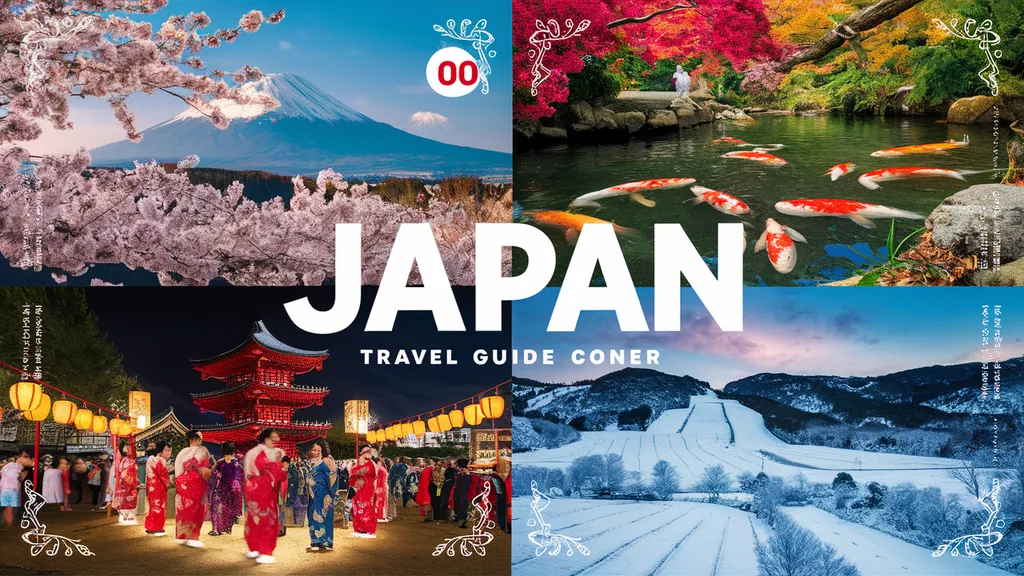
Japan experiences four distinct seasons, and each season offers something unique. Spring brings the famous cherry blossoms that transform the country into a pink wonderland. Summer offers vibrant festivals and outdoor adventures. Autumn showcases spectacular fall foliage and comfortable temperatures. Winter attracts ski enthusiasts and travelers seeking snowy landscapes and hot spring experiences. Understanding the characteristics of each season can help you choose the perfect time for your journey and maximize your travel experience.
Best Time to Visit Japan Overall
For most travelers, the best time to visit Japan is during spring (March to May) and autumn (September to November). These seasons offer pleasant temperatures, beautiful scenery, and ideal conditions for sightseeing. During spring, cherry blossoms bloom across the country, creating some of the most iconic views in Japan. In autumn, colorful leaves paint the landscapes in shades of red, orange, and gold, making it another favorite season among visitors.
These periods combine comfortable weather with cultural events, making them the most popular times for tourism. While accommodations and flights may be more expensive during peak travel periods, the overall experience often justifies the additional cost.
Visiting Japan in Spring (March to May)
Spring is widely regarded as the most beautiful season in Japan. As winter fades away, parks, gardens, temples, and city streets become covered with cherry blossoms, known locally as sakura. The cherry blossom season is not only a natural spectacle but also an important cultural event celebrated throughout the country. Families and friends gather for hanami, the traditional practice of viewing and appreciating cherry blossoms.
Temperatures during spring are mild and comfortable, generally ranging from 50°F to 75°F depending on the region. Popular destinations such as Tokyo, Kyoto, and Osaka become especially vibrant as tourists and locals alike enjoy outdoor activities. Spring is ideal for sightseeing, photography, cultural exploration, and nature lovers seeking Japan’s most famous seasonal attraction.
Why Visit Japan in Spring?
- Cherry blossom season
- Comfortable temperatures
- Beautiful parks and gardens
- Excellent sightseeing conditions
- Traditional spring festivals
Visiting Japan in Summer (June to August)
Summer in Japan is energetic, colorful, and filled with cultural celebrations. Although temperatures can become hot and humid in many regions, summer offers access to some of Japan’s most exciting festivals and outdoor activities. Famous events such as fireworks festivals, traditional dances, and local celebrations attract visitors from around the world.
The summer season is also ideal for hiking in mountainous regions, exploring northern Japan, and enjoying beach destinations such as Okinawa. Travelers who enjoy lively atmospheres and cultural events often find summer to be an exciting time to visit despite the warmer weather.
Advantages of Summer Travel
- Famous Japanese festivals
- Fireworks displays
- Beach vacations
- Mountain hiking opportunities
- Vibrant cultural experiences
Visiting Japan in Autumn (September to November)
Autumn rivals spring as one of the best times to visit Japan. The intense summer heat begins to fade, creating comfortable conditions for exploring cities, historical sites, and natural landscapes. Trees across the country transform into brilliant shades of red, orange, and yellow, creating stunning scenery similar to the famous cherry blossom season.
Autumn is particularly popular among photographers and nature enthusiasts because of the breathtaking fall foliage. Destinations such as Kyoto, Nikko, and the Japanese Alps become especially attractive during this season. Travelers can enjoy pleasant weather, fewer crowds than peak cherry blossom season, and some of the country’s most beautiful landscapes.
Why Travelers Love Autumn
- Comfortable weather
- Spectacular fall colors
- Great photography opportunities
- Ideal sightseeing conditions
- Seasonal food and cultural festivals
Visiting Japan in Winter (December to February)
Winter offers a completely different side of Japan. Snow-covered villages, ski resorts, hot springs, and winter illuminations create magical travel experiences. Northern regions such as Hokkaido become world-renowned destinations for skiing and snowboarding thanks to their high-quality powder snow.
While temperatures can be cold, winter often brings lower accommodation prices and fewer crowds outside holiday periods. Travelers can enjoy traditional hot spring resorts, seasonal cuisine, and unique winter festivals. Those seeking a quieter and more affordable trip may find winter to be the ideal season.
Benefits of Winter Travel
- Excellent skiing and snowboarding
- Lower travel costs
- Fewer tourist crowds
- Beautiful snow scenery
- Relaxing hot spring experiences
Best Month to Visit Japan
Choosing the best month depends on your travel goals.
March and April
Perfect for cherry blossoms and spring festivals.
May
Pleasant weather with fewer crowds after peak blossom season.
October
Comfortable temperatures and beautiful autumn colors.
November
Excellent sightseeing conditions and vibrant fall foliage.
These months consistently rank among the most recommended times to visit Japan due to their balance of weather, scenery, and travel experiences.
Best Time to Visit Japan on a Budget
Travelers looking to save money should consider visiting during winter, excluding the New Year holiday period, or during the shoulder seasons. Airfare and hotel prices tend to be lower, and major attractions are generally less crowded. Budget-conscious travelers can often find better deals while still enjoying many of Japan’s cultural and natural attractions.
Planning ahead, booking flights early, and avoiding major national holidays can significantly reduce travel expenses regardless of the season.
Best Time to Visit Japan for Cherry Blossoms
The cherry blossom season usually occurs between late March and early April in many parts of Japan, although bloom dates vary by region and weather conditions. Southern regions bloom earlier, while northern areas bloom later. Travelers specifically interested in experiencing sakura should monitor annual blossom forecasts and book accommodations well in advance due to high demand.
Best Time to Visit Japan for Fall Colors
The autumn foliage season typically begins in October and continues through November. Regions such as Kyoto, Nikko, and the Japanese Alps offer some of the country’s most spectacular fall landscapes. Many travelers consider autumn colors to be just as beautiful as cherry blossoms, making this season an excellent alternative for those seeking stunning scenery.
Conclusion
The best time to visit Japan depends largely on your interests and travel goals. Spring offers world-famous cherry blossoms and pleasant weather, making it one of the most popular seasons for international visitors. Summer delivers vibrant festivals, outdoor adventures, and cultural celebrations. Autumn provides comfortable temperatures and breathtaking fall foliage, while winter offers snowy landscapes, ski resorts, and relaxing hot spring experiences. Regardless of when you visit, Japan’s rich culture, exceptional hospitality, incredible food, and diverse attractions ensure an unforgettable journey. By choosing the season that best aligns with your preferences, you can create a travel experience that perfectly matches your expectations and interests.
Frequently Asked Questions (FAQs)
What is the absolute best time to visit Japan?
Most travelers consider spring (March to May) and autumn (September to November) the best times due to pleasant weather and beautiful scenery.
What month has the best weather in Japan?
October is often considered one of the best months because temperatures are comfortable and autumn colors begin appearing throughout the country.
When is cherry blossom season in Japan?
Cherry blossom season generally occurs from late March to early April, although timing varies depending on location and weather conditions.
Is Japan expensive during spring?
Yes. Spring is one of the busiest travel seasons due to cherry blossom tourism, which can increase flight and hotel prices.
What is the cheapest time to visit Japan?
Winter, excluding holiday periods, is often the most affordable season for travel and accommodations.
Is autumn a good time to visit Japan?
Yes. Autumn offers comfortable weather, beautiful foliage, and fewer crowds compared to peak cherry blossom season.
Should I visit Japan in summer?
Summer is ideal for festivals, fireworks, beaches, and outdoor activities, though temperatures can be hot and humid in some regions.
How many days should I spend in Japan?
Most travelers recommend spending between 10 and 14 days to explore major cities, cultural sites, and regional attractions comfortably.



 News2 months ago
UFC in the News: Latest UFC Updates, Fight Results, and Breaking Stories
- Law3 months ago
Criminal Defense Lawyer Explained: Roles, Duties, and Benefits
- History3 months ago
The History and Contributions of the Alliance of Concerned Teachers
- History3 months ago
Aniwave Review: Features, Risks, Legal Issues, and Better Alternatives
- Tech3 months ago
R2RTrust.dll Was Not Found: How to Fix the Error Step by Step
- History3 months ago
Episcopal Church History: Origins, Growth, and Influence
- Blog2 months ago
Carlos Scola Pliego: Biography, Film Career, Relationship with Sade Adu, and the Story Behind His Private Life
- Lifestyle2 months ago
Sandy Mahl: The Inspiring Story of Garth Brooks’ First Wife, Career, Family, and Life After Divorce